

Fire Ant Control in Cambridge, MA
Cambridge's older residential and commercial properties create environments where rodents and cockroaches thrive year-round indoors, while warmer months bring increased pest activity across the city. While fire ants are not currently established in Massachusetts, property owners concerned about this invasive species or dealing with aggressive ant problems in neighborhoods like Harvard Square and Cambridgeport should connect with a local pest control provider who can assess the actual threat and recommend appropriate treatment. Guthrie Pest Control links you directly to independent local providers who understand Cambridge's specific pest landscape and can respond quickly to active infestations.
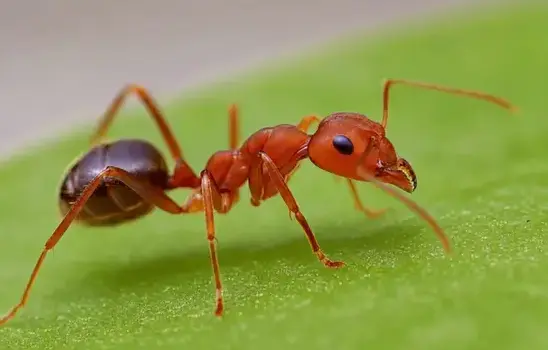
When are fire ants active in Cambridge, MA?
Two things decide when you see a pest: what the species does, and what the weather here actually does. Below is the published guidance on the first, set against this city's own measured climate.
“Foraging activity slows when soil temperature is lower than 65 to 70 °F or higher than 90 °F.” UGA Extension
“Mating flights are most common in spring and fall.” UGA Extension
Because that is a temperature rule rather than a date, it can be read directly against the local figures below — the months that cross 90 °F are the months when foraging slows at the top end.
Cambridge averages 6.3 days at or above 90 °F in July — the stretch when UGA's upper limit is being crossed — and 14.1 such days across the year.Source: NOAA 1991-2020 Climate Normals, BOSTON LOGAN INTL AP, MA US station (4.8 mi from Cambridge)

Fire Ant Control Solutions for Cambridge Homeowners
While Cambridge's pest landscape includes carpenter ants, odorous house ants, German cockroaches in multi-unit housing, and rodents drawn to the area's dense urban construction and older building stock, fire ants represent a distinct concern for property owners in the region. Though less prevalent than some local pest pressures, fire ants can establish colonies in Cambridge yards and pose a threat to families, pets, and outdoor spaces. Their aggressive behavior and painful stings make prompt, targeted control essential—especially during warmer months when activity intensifies. Property owners who discover fire ant activity need a response that addresses both visible mounds and underground colony networks to prevent reinfestation.
Guthrie Pest Control connects Cambridge residents with independent local pest control providers who specialize in fire ant elimination. These providers conduct thorough property inspections to locate colonies, assess the extent of infestation, and develop a focused treatment strategy tailored to your specific situation. Rather than a one-time visit, effective fire ant control often includes follow-up monitoring to confirm that colonies have been eliminated and to catch any new activity early. By working with a local provider through Guthrie, you gain responsive, neighborhood-level service and the assurance that your fire ant problem receives dedicated attention until it's resolved.
Why Cambridge Homeowners Choose Guthrie for Fire Ant Control
Local Fire Ant Expertise
The independent local providers in the Guthrie network understand fire ant behavior and seasonal patterns in the Cambridge area. They know how to identify colonies, assess infestation scope, and apply targeted fire ant control effectively.
Fast Response to Active Infestations
Fire ant colonies grow quickly and pose real risk to property and safety. Guthrie connects you with responsive local providers who prioritize fire ant control requests, minimizing colony expansion and property impact.
Clear Communication Throughout Treatment
Fire ant control often requires follow-up and monitoring. Guthrie's local providers keep you informed about treatment progress, next steps, and what to expect as fire ant colonies are addressed on your property.
Year-Round Protection in Cambridge's Urban Setting
Cambridge's dense urban landscape and older building stock create conditions where indoor pest activity persists even as outdoor threats shift seasonally. Guthrie connects homeowners across neighborhoods like Harvard Square and Kendall Square with providers who understand how fire ant pressure intersects with Cambridge's spring-through-fall peak activity cycles.
How Our Fire Ant Treatment Works
Schedule Your Fire Ant Control Visit
Contact Guthrie Pest Control to describe your fire ant activity and property details. We'll connect you with a local Cambridge fire ant control provider who will arrange a convenient time to assess your situation.
On-Site Fire Ant Assessment
The provider will inspect your property to locate fire ant colonies, identify entry points, and evaluate nesting patterns. This diagnosis determines the best fire ant control strategy for your specific infestation.
Fire Ant Treatment & Follow-Up
The provider will apply targeted fire ant control measures and establish a follow-up schedule to monitor the affected areas. You'll receive guidance on preventing future fire ant activity around your Cambridge property.
Ready to get rid of fire ants in Cambridge? A local provider can get started fast.
Call (617) 885-0801Fire Ant Control Across Cambridge Neighborhoods
Fire ant colonies thrive in the warm months across Massachusetts, and Cambridge's mix of older residential blocks and established green spaces creates varied conditions that affect where infestations take hold. Properties in neighborhoods like Harvard Square and Cambridgeport, with mature landscaping and older building stock, often present multiple entry points and outdoor nesting sites that attract fire ants seeking shelter and food sources. Dense urban settings and multi-unit housing can accelerate spread once a colony establishes, making early detection and removal critical to prevent further expansion across adjacent yards and structures.
The seasonal nature of fire ant activity in this region—peak pressure during spring through fall months—means spring and early summer are ideal times to address any signs of activity before colonies grow larger and harder to eliminate. Property owners who notice ant mounds, aggressive defensive behavior, or concentrated foraging activity should contact a local pest control provider promptly. Guthrie Pest Control connects Cambridge property owners with independent local providers experienced in fire ant removal, ensuring a fast response when infestations occur.
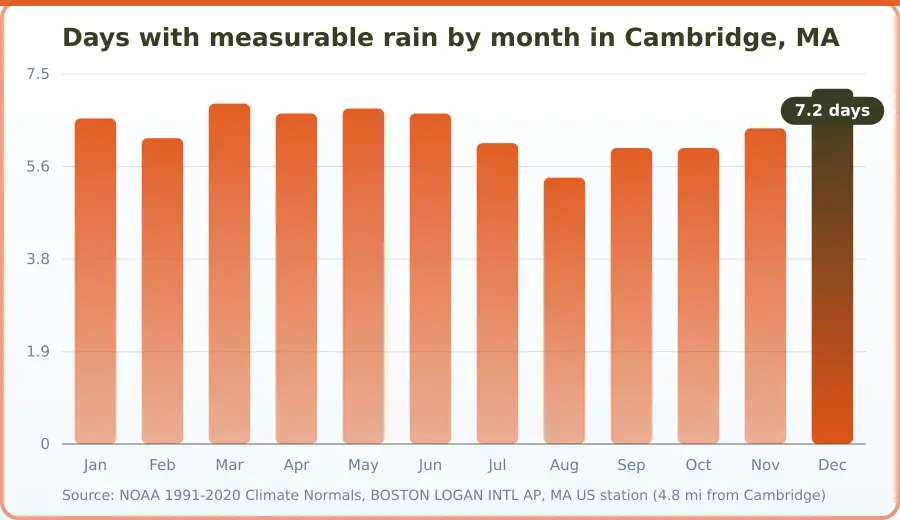
| Period | Days with measurable rain by month (days) |
|---|---|
| Jan | 6.6 |
| Feb | 6.2 |
| Mar | 6.9 |
| Apr | 6.7 |
| May | 6.8 |
| Jun | 6.7 |
| Jul | 6.1 |
| Aug | 5.4 |
| Sep | 6 |
| Oct | 6 |
| Nov | 6.4 |
| Dec | 7.2 |
Source: NOAA 1991-2020 Climate Normals, BOSTON LOGAN INTL AP, MA US station (4.8 mi from Cambridge). Retrieved October 27, 2026.
Seasonal Fire Ant Control Strategies for Cambridge
Spring: Emergence and Nesting
As soil temperatures rise following the last freeze around April 4th, fire ants emerge from winter dormancy and begin establishing new colonies across yards and gardens. Guthrie Pest Control connects Cambridge homeowners with local providers who identify active mounds early, before populations expand, using targeted removal methods during this critical window.
Summer: Peak Activity and Aggression
Cambridge summers bring roughly 6 days per month with 90-degree heat, intensifying fire ant foraging and territorial behavior. Colonies grow rapidly and workers become more defensive around nests. Local providers connected through Guthrie implement summer-specific control strategies to manage aggressive populations and protect families and pets from painful stings during outdoor season.
Fall: Preparation Before Dormancy
Fire ants remain highly active through early November, preparing colonies for winter before the first freeze typically arrives around November 9th. This is the final window for effective control before cold weather slows pest activity. Guthrie Pest Control helps Cambridge residents connect with nearby providers to address infestations now, preventing overwintering colonies from expanding next spring.
Winter: Dormancy and Indoor Refuge
From November through March, freezing nights—averaging nearly 25 per month in January—drive fire ants into deeper soil layers and, occasionally, structures seeking warmth. While most outdoor activity halts, establishing control measures before winter ensures colonies cannot establish protected nesting sites indoors. Guthrie connects homeowners with local providers for preventive inspections and barrier treatments.
Fire Ant Control FAQs — Cambridge, MA
Fire ant control typically combines targeted applications to eliminate active colonies and barrier treatments to prevent reinfestation. The local providers Guthrie Pest Control connects you with will inspect your property, identify colony locations, and apply appropriate control methods. Treatment may involve multiple visits depending on infestation severity and your property's layout.
Guthrie Pest Control works to connect you with independent local providers in the Cambridge area who can typically respond to active fire ant problems promptly. Contact us with details about your infestation, and we'll match you with a nearby provider who can schedule an assessment and begin treatment on an urgent timeline.
Fire ant control pricing depends on several factors, including the size of your property, the number and location of colonies, the severity of the infestation, and the treatment methods required. The independent provider you're connected with will assess your specific situation and provide pricing based on their service area and approach to eliminating your fire ant problem.
Before treatment, the local provider will give you specific preparation instructions. Generally, you may need to keep pets and children away from treated areas, clear debris piles where colonies hide, and ensure access to affected zones. Follow all guidance provided by your assigned provider to ensure effective treatment and safety throughout the process.
After your provider eliminates active colonies, preventive steps reduce the risk of future infestations. Remove food sources, eliminate standing water, seal entry points, and maintain clear perimeter zones around your home. Your treatment provider can recommend ongoing monitoring or follow-up visits to catch any new activity early before colonies become established.
Fire ant activity varies with seasonal conditions. While pest pressure peaks during warmer months in the Cambridge area, indoor persistence and year-round protection strategies are important for long-term control. Discuss timing and seasonal patterns with your local provider to develop a treatment plan suited to your property and the regional climate cycle.
Related Services
Homeowner Safety Toolkit
Verify Your Cambridge, MA Pest Control Company
Before you hire anyone, use these independent national resources to confirm credentials, standards, and track record.
NPIC
A free, independent hotline run jointly with the EPA and staffed by specialists who can answer specific questions about a pesticide or treatment method before you agree to it.
Ask a QuestionAAPCO
The national association of state pesticide regulators. Use it to find your own state's licensing agency and confirm a company's applicator license is current.
Find Your State AgencyEPA
The federal government's own guide to choosing a pest control method and using pesticides safely around your home and family.
Pesticide Safety GuideDealing with fire ants in Cambridge? Get fast, targeted treatment from a local provider.
Call (617) 885-0801Areas We Serve in Cambridge, Massachusetts
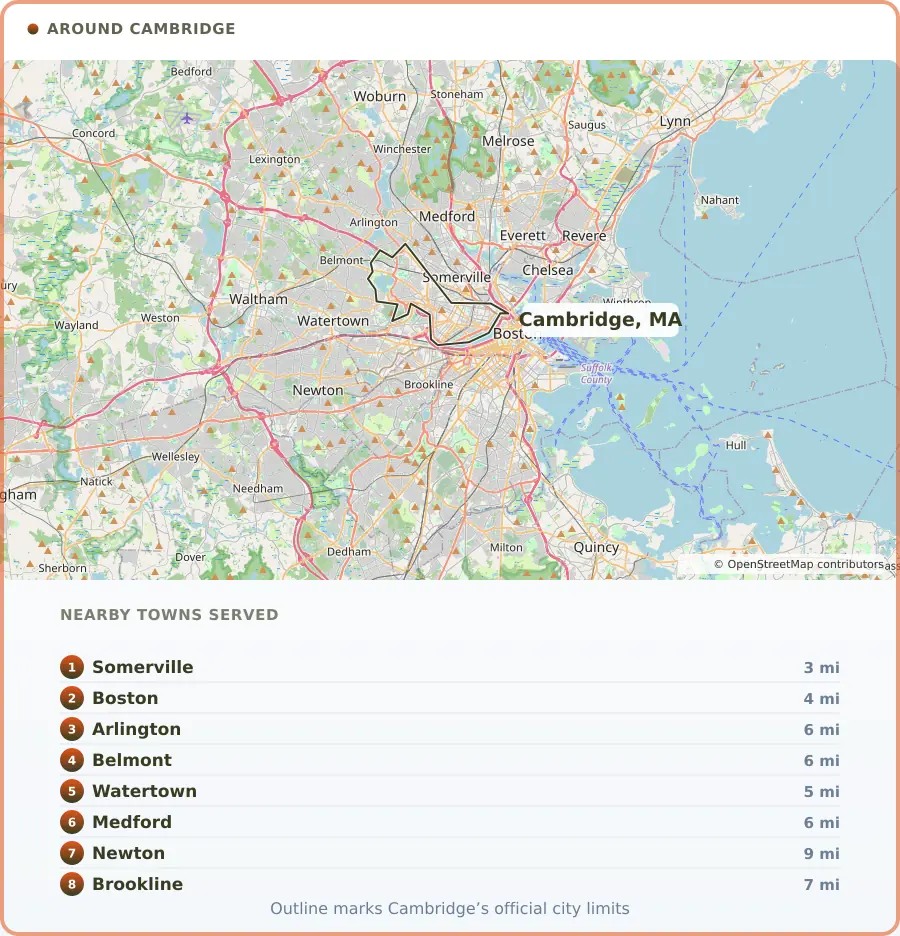
Coverage centres on Cambridge, MA and reaches 8 surrounding communities. Response time is what matters most in the hours after a problem is found, so knowing the ground is part of the job.
Cambridge, MA Information
Just across the river from Boston, Cambridge, MA packs an outsized punch for a city of about 118,000 people. Harvard and MIT give the place its intellectual gravity, but that energy spills into real industry — biotech and pharma labs, software startups, and research outfits cluster thickly around Kendall Square, while names like Biogen, Moderna, and Google keep the innovation economy humming alongside healthcare anchors like Mount Auburn Hospital and Cambridge Health Alliance.
Walk from the bustle of Central Square to the quieter streets of Cambridgeport and the city's layers show: historic houses, classic triple-deckers, and dense rental blocks reflect decades of students, academics, and young professionals cycling through. It's a city built on ideas, but still very much a patchwork of real neighborhoods and real homes.
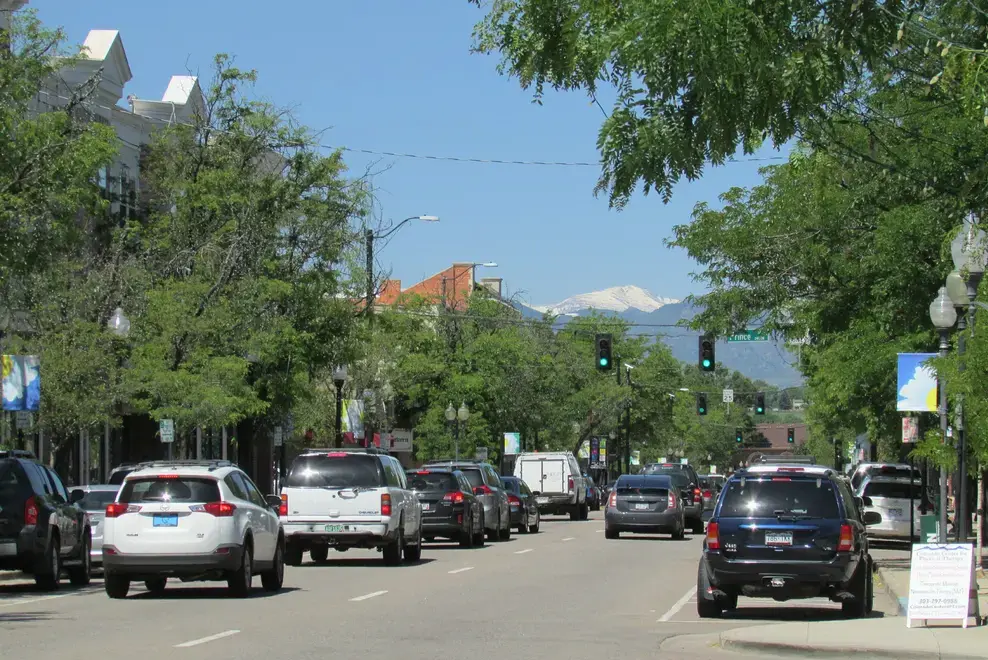
Photo: Chris Light, CC BY-SA 4.0