

WDI Inspection in Cambridge, MA
Cambridge's dense urban neighborhoods and older building stock create year-round conditions favorable for rodent and cockroach activity, while eastern subterranean termites pose a particular concern in established residential areas. A WDI inspection identifies termite damage, active infestations, and conditions that attract wood-destroying insects before they compromise your property's structural integrity. Guthrie Pest Control connects Cambridge property owners with local independent providers who perform thorough inspections and help you understand what you're dealing with.
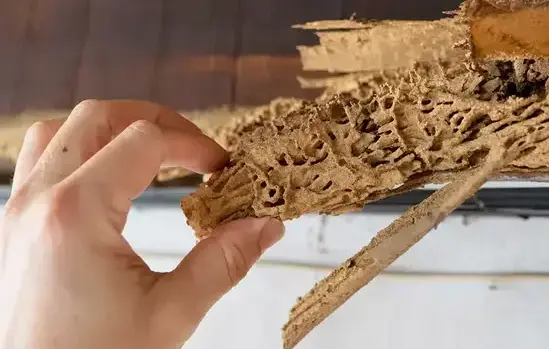
When are termites active in Cambridge, MA?
Two things decide when you see a pest: what the species does, and what the weather here actually does. Below is the published guidance on the first, set against this city's own measured climate.
“Native subterranean termites begin swarming in February/March, swarm during the day, and are not attracted to lights.” UGA Extension
“Formosan termites (1) swarm at night; (2) swarm in late May and/or early June (in Georgia), and (3) swarmers are attracted to light.” UGA Extension
“In Pennsylvania, swarms of winged termites usually emerge between February and June.” Penn State Extension
The behavior is the part that travels: a swarm in daylight that ignores a porch light is a native subterranean termite, while a swarm after dark drawn to the light is Formosan. The months do not travel — the same native species begins in February or March in Georgia but can emerge any time from February to June in Pennsylvania, so the dates below matter more than either range.
In Cambridge the average last spring freeze falls on April 4, and the frost-free stretch runs to November 9 — about 218 days.Source: NOAA 1991-2020 Climate Normals, BOSTON LOGAN INTL AP, MA US station (4.9 mi from Cambridge)

WDI Inspection Protects Cambridge Homeowners from Hidden Damage
Cambridge's mix of older buildings and dense urban neighborhoods creates conditions where wood-destroying insects thrive year-round. Carpenter ants, odorous house ants, German cockroaches—especially common in multi-unit housing—and rodents all find ready shelter in the area's established structures. Eastern subterranean termites pose a real threat to older homes throughout Cambridge, and while pest activity peaks during spring through fall, rodent and cockroach infestations often persist indoors even as temperatures drop. A WDI Inspection catches these threats early, before they compromise your property's structural integrity or require far costlier remediation.
Guthrie Pest Control connects Cambridge property owners with independent local pest control providers who specialize in thorough WDI Inspections. These professionals conduct detailed examinations to identify active infestations, conducive conditions, and early signs of damage that general contractors might miss. They document findings clearly so you understand exactly what you're dealing with—whether for your own peace of mind, a real estate transaction, or insurance purposes. After inspection, the providers guide you through next steps with practical recommendations tailored to your home's specific situation. Getting ahead of wood-destroying pest activity protects your investment and keeps your property sound.
Why Cambridge Homeowners Trust Guthrie for WDI Inspections
Thorough WDI Inspection Coverage
WDI inspections from local providers connected through Guthrie examine structural vulnerabilities with systematic attention to detail. A complete inspection identifies damage patterns, entry points, and conditions that support infestation—essential for protecting your property.
Fast Local WDI Inspection Response
Cambridge homeowners benefit from rapid scheduling and same-week inspections through Guthrie's local provider network. Quick turnaround on WDI inspections means you receive findings and recommendations without prolonged uncertainty about potential wood-destroying threats.
Clear WDI Inspection Reporting
Independent providers connected by Guthrie deliver detailed WDI inspection reports with straightforward language and visual documentation. Understanding what was found and why matters—transparent reporting helps you make informed decisions about your home's protection.
WDI Inspections for Cambridge's Older Homes
Established neighborhoods from Cambridgeport to Harvard Square contain older building stock where wood-destroying insects thrive year-round indoors. WDI inspections are particularly valuable in these areas, where early detection prevents costly structural compromise in mature homes.
How Our WDI Inspection Works
Schedule Your WDI Inspection Visit
Contact Guthrie Pest Control to book a Wood Destroying Insect inspection with a local Cambridge provider. The inspector will arrange a convenient time to thoroughly examine your property for signs of termite activity, carpenter ant damage, and other wood-destroying pests.
Detailed WDI Assessment & Report
The inspector conducts a comprehensive walkthrough, looking for mud tubes, hollow wood, frass, and active infestations that compromise structural integrity. You'll receive a detailed WDI report documenting findings and recommended next steps if wood-destroying insects are present.
Connect With Local Treatment Provider
If the WDI inspection reveals activity, Guthrie connects you with a qualified local pest control provider in Cambridge ready to discuss treatment options and prevention measures tailored to your property's specific needs.
Need a wdi inspection in Cambridge? Connect with a local inspector fast.
Call (617) 885-0801WDI Inspections Across Cambridge's Neighborhoods
Cambridge's mix of older, densely built residential areas and aging multi-unit housing creates conditions that demand thorough WDI Inspection. Neighborhoods with established construction—including areas like Harvard Square and Cambridgeport—often feature wood-frame buildings and older structural elements that can be vulnerable to wood-destroying insect activity. Eastern subterranean termites present a real concern in these older neighborhoods, where wood contact with soil and prolonged moisture exposure create ideal conditions for infestation. A WDI Inspection becomes essential for identifying early signs of termite damage before structural integrity is compromised.
Beyond termites, Cambridge's urban density and aging building stock also support year-round populations of carpenter ants, rodents, and cockroaches—pests that thrive in tight quarters and older construction. While pest pressure peaks during spring through fall, indoor infestations often persist throughout winter months. WDI Inspection must account for these persistent threats, examining not just obvious wood damage but also entry points, moisture conditions, and conducive building features that independent local providers can identify during a comprehensive evaluation. Early detection through inspection helps property owners avoid costly structural repairs down the line.
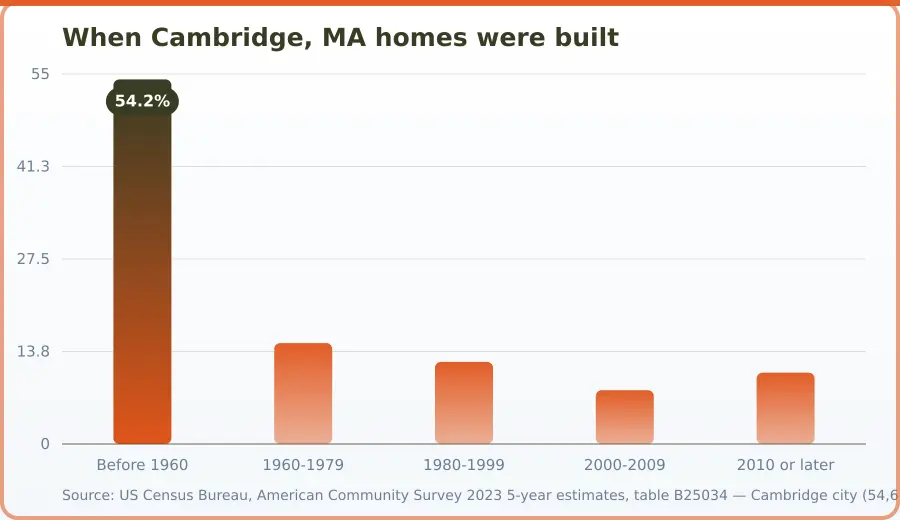
| Period | When homes were built (%) |
|---|---|
| Before 1960 | 54.2 |
| 1960-1979 | 15 |
| 1980-1999 | 12.2 |
| 2000-2009 | 8 |
| 2010 or later | 10.6 |
Source: US Census Bureau, American Community Survey 2023 5-year estimates, table B25034 — Cambridge city (54,612 housing units). Retrieved October 27, 2026.
What Our WDI Inspection Covers
Wood-Destroying Insects
We inspect for termites, carpenter ants, wood-boring beetles, and other wood-destroying organisms.
Accessible Structure
Accessible interior and exterior areas, crawl spaces, and framing are examined for damage and activity.
Conducive Conditions
We note moisture, wood-to-soil contact, and other conditions conducive to WDI infestation.
Official WDI Report
You receive a completed report suitable for real estate transactions and lenders where required.
WDI Inspection FAQs — Cambridge, MA
A WDI Inspection (Wood-Destroying Insect Inspection) examines your property for signs of termites, carpenter ants, and other wood-damaging pests. The independent local provider will inspect structural wood, foundations, crawl spaces, and other vulnerable areas, then provide a detailed report of findings. This is often required during real estate transactions in Massachusetts.
Guthrie Pest Control connects Cambridge property owners with independent local providers who can schedule WDI Inspections promptly. Response times vary by provider availability, but the goal is to arrange your inspection quickly—especially important if you're under a real estate closing deadline or suspect active wood-destroying insects in your home.
WDI Inspection pricing depends on factors like your property's size, age, construction complexity, and the scope of areas to be examined. Older Cambridge homes may require more thorough inspection. Each independent provider sets their own rates. Contact Guthrie to connect with local providers and discuss pricing for your specific situation.
Before your WDI Inspection, clear clutter from basements, attics, and crawl spaces so the inspector can access structural areas easily. Remove stored items from along foundation walls and under eaves. Ensure accessible areas are well-lit. The independent provider may give you specific preparation instructions—ask when scheduling your inspection appointment.
Reduce moisture around your home's foundation and repair leaks promptly, as dampness attracts termites and carpenter ants. Keep mulch and wood debris away from your home's exterior. Seal cracks and gaps in siding and around utilities. The independent provider conducting your WDI Inspection can recommend additional prevention steps based on their findings.
Pest activity peaks in Cambridge-area homes from spring through fall, making those seasons ideal for scheduling a WDI Inspection. However, rodent and cockroach problems often persist year-round indoors, and wood-destroying insects may be active even in colder months. If you suspect infestation or need one for a real estate deal, don't delay—schedule promptly regardless of season.
Related Services
Homeowner Safety Toolkit
Verify Your Cambridge, MA Pest Control Company
Before you hire anyone, use these independent national resources to confirm credentials, standards, and track record.
NPIC
A free, independent hotline run jointly with the EPA and staffed by specialists who can answer specific questions about a pesticide or treatment method before you agree to it.
Ask a QuestionAAPCO
The national association of state pesticide regulators. Use it to find your own state's licensing agency and confirm a company's applicator license is current.
Find Your State AgencyEPA
The federal government's own guide to choosing a pest control method and using pesticides safely around your home and family.
Pesticide Safety GuideBuying or protecting a property in Cambridge? Schedule your wdi inspection today.
Call (617) 885-0801Areas We Serve in Cambridge, Massachusetts
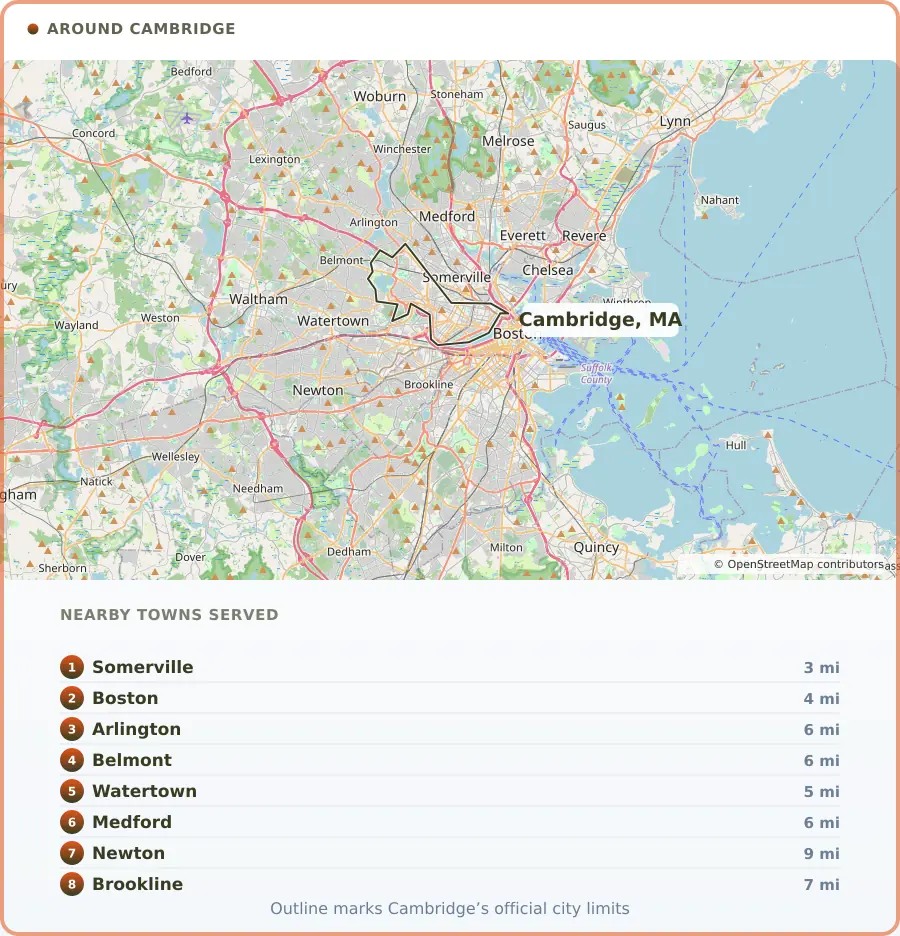
Coverage centres on Cambridge, MA and reaches 8 surrounding communities. Response time is what matters most in the hours after a problem is found, so knowing the ground is part of the job.
Cambridge, MA Information
Just across the river from Boston, Cambridge, MA packs an outsized punch for a city of about 118,000 people. Harvard and MIT give the place its intellectual gravity, but that energy spills into real industry — biotech and pharma labs, software startups, and research outfits cluster thickly around Kendall Square, while names like Biogen, Moderna, and Google keep the innovation economy humming alongside healthcare anchors like Mount Auburn Hospital and Cambridge Health Alliance.
Walk from the bustle of Central Square to the quieter streets of Cambridgeport and the city's layers show: historic houses, classic triple-deckers, and dense rental blocks reflect decades of students, academics, and young professionals cycling through. It's a city built on ideas, but still very much a patchwork of real neighborhoods and real homes.

Photo: Chris Light, CC BY-SA 4.0