

Hornet Removal in Cambridge, MA
Cambridge's older residential stock and dense urban layout create ideal conditions for hornets to establish nests on eaves, soffits, and in wall voids throughout neighborhoods like Harvard Square and Cambridgeport. Hornet removal requires prompt, professional intervention to safely eliminate active nests and prevent colony expansion during the warmer months when these insects are most active. Guthrie Pest Control connects you with local independent providers who can assess your property and remove hornets before they pose a threat to your household.
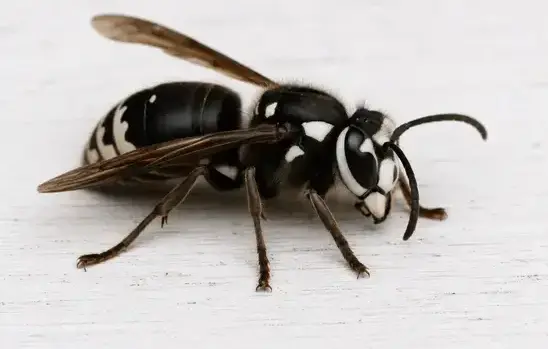
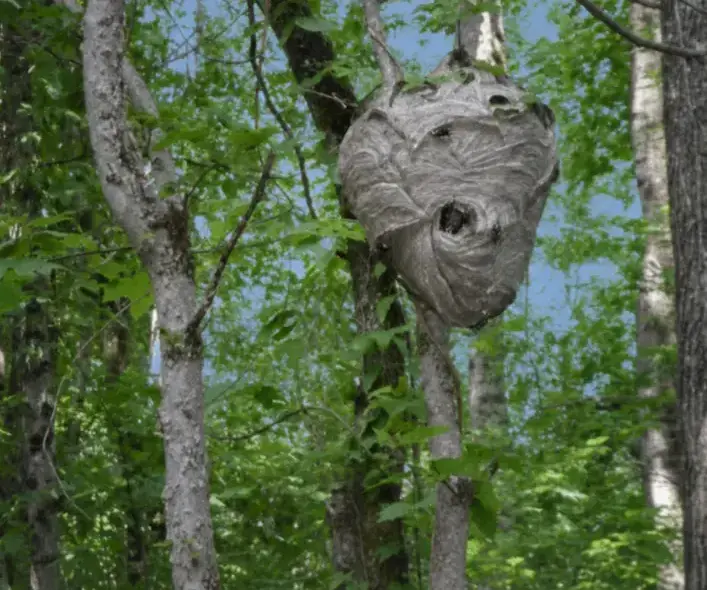
Professional Hornet Removal Services for Cambridge Homeowners
Cambridge's older residential neighborhoods and dense urban landscape create ideal conditions for hornets to establish nests near homes and commercial properties. As warmer months arrive and activity peaks through fall, these stinging insects become increasingly aggressive when defending their nests, posing a genuine safety risk to families, pets, and anyone working or spending time outdoors. A hornet nest close to a doorway, deck, or frequently used area demands prompt professional attention—attempting removal without proper equipment and expertise can escalate the danger significantly. The longer an active nest remains, the larger and more defensive the colony becomes, making swift intervention critical for protecting your Cambridge property.
Guthrie Pest Control connects you with local, independent hornet removal providers who understand the urgency of active infestations and respond accordingly. These professionals assess your specific situation, safely remove established nests, and address conducive conditions that may attract hornets back to your property. Rather than quick fixes, the providers in our network focus on thorough removal and follow-up guidance to reduce the likelihood of future nesting. If you're dealing with hornets on or around your Cambridge home, reaching out for a proper evaluation is the fastest path to restoring safety and peace of mind.
Why Cambridge Homeowners Trust Guthrie for Hornet Removal
Fast Response to Active Hornets
Active hornet nests demand immediate attention. Guthrie connects you with local providers who prioritize urgent hornet removal calls, minimizing risk to your family and property during peak activity season.
Clear Communication Throughout Removal
Understanding the hornet removal process reduces stress. Guthrie's connected providers explain what they're doing, why, and what to expect next—keeping you informed from inspection through safe nest removal and follow-up.
Thorough Hornet Nest Assessment
Effective hornet removal starts with precision. Providers in Guthrie's network conduct detailed inspections to locate nests, identify species, and develop removal plans tailored to your property's layout and landscaping.
Year-Round Hornet Vigilance for Cambridge
While hornet activity peaks spring through fall, indoor pests—including those that shelter near or around structures—persist year-round in Cambridge's older, densely built neighborhoods like Harvard Square and Cambridgeport, making ongoing awareness essential.
How Our Hornet Treatment Works
Schedule Your Hornet Removal Visit
Contact Guthrie Pest Control to describe your hornet activity and location in Cambridge. We'll connect you with a local independent pest control provider who can assess your property and discuss hornet removal options.
Assessment and Hornet Removal Plan
The provider visits your property to locate nests, identify hornet species, and evaluate access and safety risks. They'll explain the removal approach and timeline specific to your hornet situation before proceeding.
Hornet Nest Removal and Follow-Up
The provider removes the nest and treats affected areas to prevent hornet return. Follow-up visits may be scheduled to monitor your property and address any remaining activity.
Ready to get rid of hornets in Cambridge? A local provider can get started fast.
Call (617) 885-0801Hornet Removal Across Cambridge Neighborhoods
Cambridge's mix of older, tree-lined residential areas and densely built urban blocks creates distinct environments for hornet activity. Neighborhoods like Harvard Square and Cambridgeport feature mature trees and established landscapes that provide ideal nesting sites for hornets seeking shelter and food sources. The abundance of flowering plants, ivy-covered structures, and older building stock in these areas can attract hornets looking to establish colonies near human activity, making spring and summer inspections especially important as temperatures rise and hornets become more active.
Hornet removal in Cambridge requires an understanding of how local property conditions influence nest location and behavior. Older homes and buildings with eaves, soffits, and gaps in aging construction offer multiple attachment points for nests. Dense tree canopies common throughout the area provide natural scaffolding for aerial nests. Professional removal becomes more urgent as warmer months approach, since hornet populations grow and become more defensive during peak seasons. Working with local providers who understand Cambridge's specific landscape and building characteristics ensures that removal addresses both the immediate nest and conditions that may attract future activity.
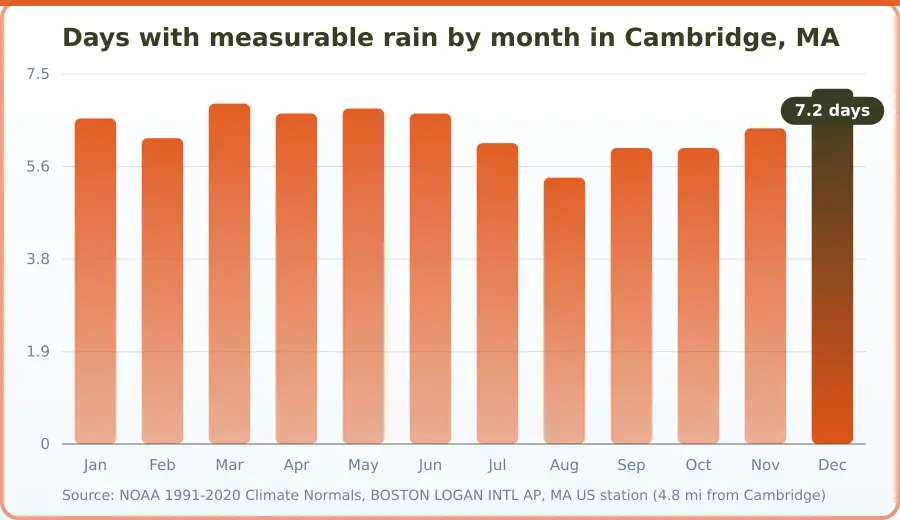
| Period | Days with measurable rain by month (days) |
|---|---|
| Jan | 6.6 |
| Feb | 6.2 |
| Mar | 6.9 |
| Apr | 6.7 |
| May | 6.8 |
| Jun | 6.7 |
| Jul | 6.1 |
| Aug | 5.4 |
| Sep | 6 |
| Oct | 6 |
| Nov | 6.4 |
| Dec | 7.2 |
Source: NOAA 1991-2020 Climate Normals, BOSTON LOGAN INTL AP, MA US station (4.8 mi from Cambridge). Retrieved October 27, 2026.
Seasonal Hornet Removal Needs Across Cambridge's Year
Spring: Nest Construction Begins
As temperatures warm after April 4th's average last freeze, hornets emerge from winter dormancy and begin building new nests across Cambridge's neighborhoods. Early removal during nest construction is most effective—nests are smaller and populations lower. Guthrie connects property owners to local providers who can identify and remove nests before colonies establish, reducing risk through summer.
Summer: Peak Activity and Aggression
With up to 6 days averaging 90°F or higher each month, Cambridge summers fuel rapid hornet colony growth and increased territorial behavior near homes and yards. Mature nests become aggressive, especially around food sources and outdoor gatherings. Guthrie's local providers respond quickly to summer infestations when hornet activity peaks, helping protect residents before problems escalate in densely built neighborhoods like Cambridgeport and Harvard Square.
Fall: Aggressive Foraging Phase
Hornets intensify foraging as daylight shortens before November 9th's average first freeze, making late-season encounters more frequent around kitchens, trash, and gardens. While rodent and cockroach pressures persist indoors year-round in Cambridge's older building stock, fall hornet removal addresses the outdoor threat when colonies are largest and most defensive. Guthrie connects you with providers who can act before cold weather arrives.
Winter: Dormancy and Nest Abandonment
Below-freezing nights—averaging 19.8 nights in December—kill adult hornets while queens shelter or die off, making winter the ideal season for safe nest removal when nests are empty. Winter also offers a clear window to inspect eaves, soffits, and building exteriors in areas like East Cambridge for old nests and potential spring entry points. Guthrie helps property owners plan preventive removal during this dormant period.
Hornet Removal FAQs — Cambridge, MA
Hornet removal typically involves locating the nest, assessing safety risks, and removing it along with the insects. The local provider you're connected with will determine whether the nest can be safely removed or treated, and will discuss options based on the nest's location—whether it's on your home, in a tree, or attached to a structure. Cleanup and nest disposal follow removal.
Response time depends on the provider's current schedule, but Guthrie Pest Control connects you with independent local providers in Cambridge who typically prioritize active hornet infestations. Contact the provider directly to discuss your situation and get a timeframe. Same-day or next-day service is sometimes available, especially if the nest poses a safety risk to you or your family.
Hornet removal pricing depends on nest size and location, accessibility, height or structural considerations, and the specific removal method needed. A nest high in a tree costs differently than one near a doorway. The independent provider will assess your situation and discuss pricing before starting work. Request an estimate to understand costs for your specific case.
Keep children and pets indoors and away from the nest area until removal is complete. Clear the work zone of obstacles so the provider can access the nest safely. Inform the provider of any recent hornet activity or stings. Don't attempt to remove or spray the nest yourself—this increases injury risk. Your provider will give specific preparation instructions when you schedule the appointment.
After nest removal, hornets may return to the same location in future seasons. To reduce this risk, seal entry points and gaps where nests might attach, trim tree branches away from structures, and remove attractants like open food or water sources. Your provider can suggest site-specific prevention steps. Regular inspection during warm months helps catch new nest activity early.
Hornets are most active during warmer months, typically spring through fall in the Cambridge region. Nests grow larger and more aggressive as summer progresses into early fall. If you spot a nest, address it promptly before populations peak. Year-round awareness is wise since mild weather can extend activity, so report any hornet sightings to a local provider as soon as you notice them.
Homeowner Safety Toolkit
Verify Your Cambridge, MA Pest Control Company
Before you hire anyone, use these independent national resources to confirm credentials, standards, and track record.
NPIC
A free, independent hotline run jointly with the EPA and staffed by specialists who can answer specific questions about a pesticide or treatment method before you agree to it.
Ask a QuestionAAPCO
The national association of state pesticide regulators. Use it to find your own state's licensing agency and confirm a company's applicator license is current.
Find Your State AgencyEPA
The federal government's own guide to choosing a pest control method and using pesticides safely around your home and family.
Pesticide Safety GuideRelated Services
Dealing with hornets in Cambridge? Get fast, targeted treatment from a local provider.
Call (617) 885-0801Areas We Serve in Cambridge, Massachusetts
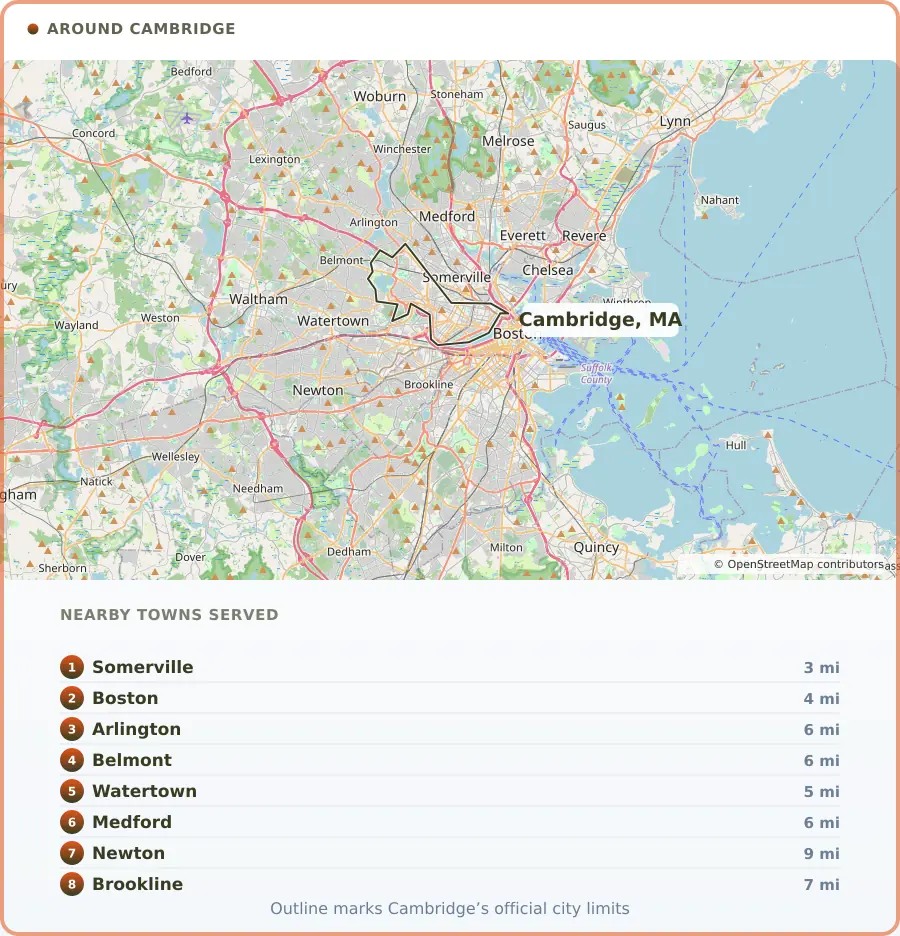
Coverage centres on Cambridge, MA and reaches 8 surrounding communities. Response time is what matters most in the hours after a problem is found, so knowing the ground is part of the job.
Cambridge, MA Information
Just across the river from Boston, Cambridge, MA packs an outsized punch for a city of about 118,000 people. Harvard and MIT give the place its intellectual gravity, but that energy spills into real industry — biotech and pharma labs, software startups, and research outfits cluster thickly around Kendall Square, while names like Biogen, Moderna, and Google keep the innovation economy humming alongside healthcare anchors like Mount Auburn Hospital and Cambridge Health Alliance.
Walk from the bustle of Central Square to the quieter streets of Cambridgeport and the city's layers show: historic houses, classic triple-deckers, and dense rental blocks reflect decades of students, academics, and young professionals cycling through. It's a city built on ideas, but still very much a patchwork of real neighborhoods and real homes.
Photo: Chris Light, CC BY-SA 4.0